EFSC Webinars
Equine Fascial Studies & Continuing Education
Upcoming Webinar
Katja Eser
Time: 7:00 PM SAST
We're delighted to welcome Katja Eser, an equine osteopath and human physiotherapist based in Germany. For many years her teaching and clinical work have centred on biotensegrity and healthy movement for the horse and its rider.
Katja is the editor of the German reference book Checkliste Osteopathie Pferd and has written widely on viewing the horse as a whole, including how lameness, back problems and movement restrictions can stem from structures far from where the problem shows up.
Full session details will be shared here once the date is finalised. For updates, contact registrations@lizakimble.com.
Important Registration Information
Please read carefully
- Registration for this webinar is completed after payment.
- Complete payment via PayPal using the link provided, or select the credit/debit card option (you do not need a PayPal account).
- After payment, you will be redirected to the registration page.
- Complete the registration form in full.
- Once your payment has been verified, you will receive your webinar access details by email.
- Webinar access details are sent only to verified, paid registrations.
Payment:
Having payment problems?
If you experience any issues with PayPal payment, please contact Sam: registrations@lizakimble.com
Past Webinars
We've been privileged to host leading voices in veterinary science, pain medicine, movement and the horse–human relationship. Here's who has joined our community so far.
Dr Susan Fay
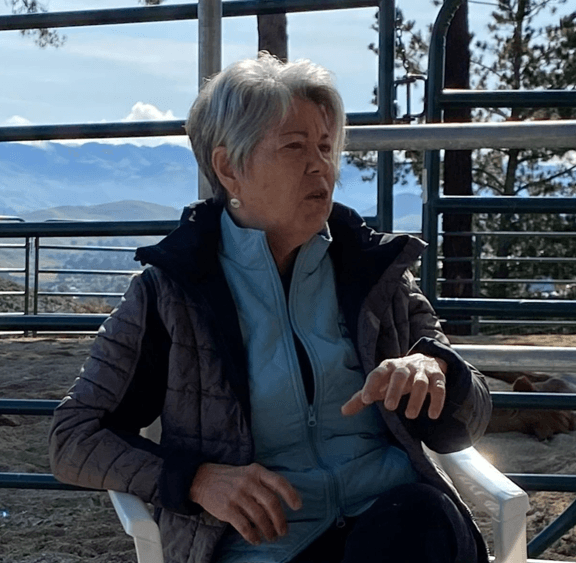
Dr Fay is an internationally recognised expert in equine psychology and the creator of The DHEEP Way™. In this session she introduced The Four Questions Process, a gentle, horse-centred way to help horses release stress, find their own balance, and build trust and communication with us.
Participants learned to notice the subtle shifts in posture, breath, movement and behaviour that show a horse is letting go – a lovely continuation of our conversations around the nervous system, regulation and whole-horse wellbeing.

Prof Vibeke Elbrønd
A highlight of our year. Prof Elbrønd is a veterinarian and anatomist at the University of Copenhagen, where her research focuses on functional anatomy, biomechanics, fascia and myofascia, and full-body integration.
Together with Dr Rikke Schultz, she dissected and described the equine myofascial kinetic lines – foundational research for anyone working with fascia in horses. This was an exclusive live event with a limited viewing window.

Dr Karen Wild
How do we know a treatment truly helps a horse relax? Dr Wild shared her research using pupillometry – measuring changes in pupil size – as an objective way to show stress release in horses during bodywork such as equine sports massage.
A fascinating look at bringing measurable science to what practitioners and owners often only observe by eye.

Ashleigh Sanderson
Ashleigh explored proprioception – the body's sense of its own position and movement – and why it matters for both horse and rider.
Drawing on her work in biomechanics and spatial awareness, she showed how tuning into the feedback our horses constantly give us about our balance can help us ride and work with them more efficiently and with greater harmony.
Dr Doris Timmann
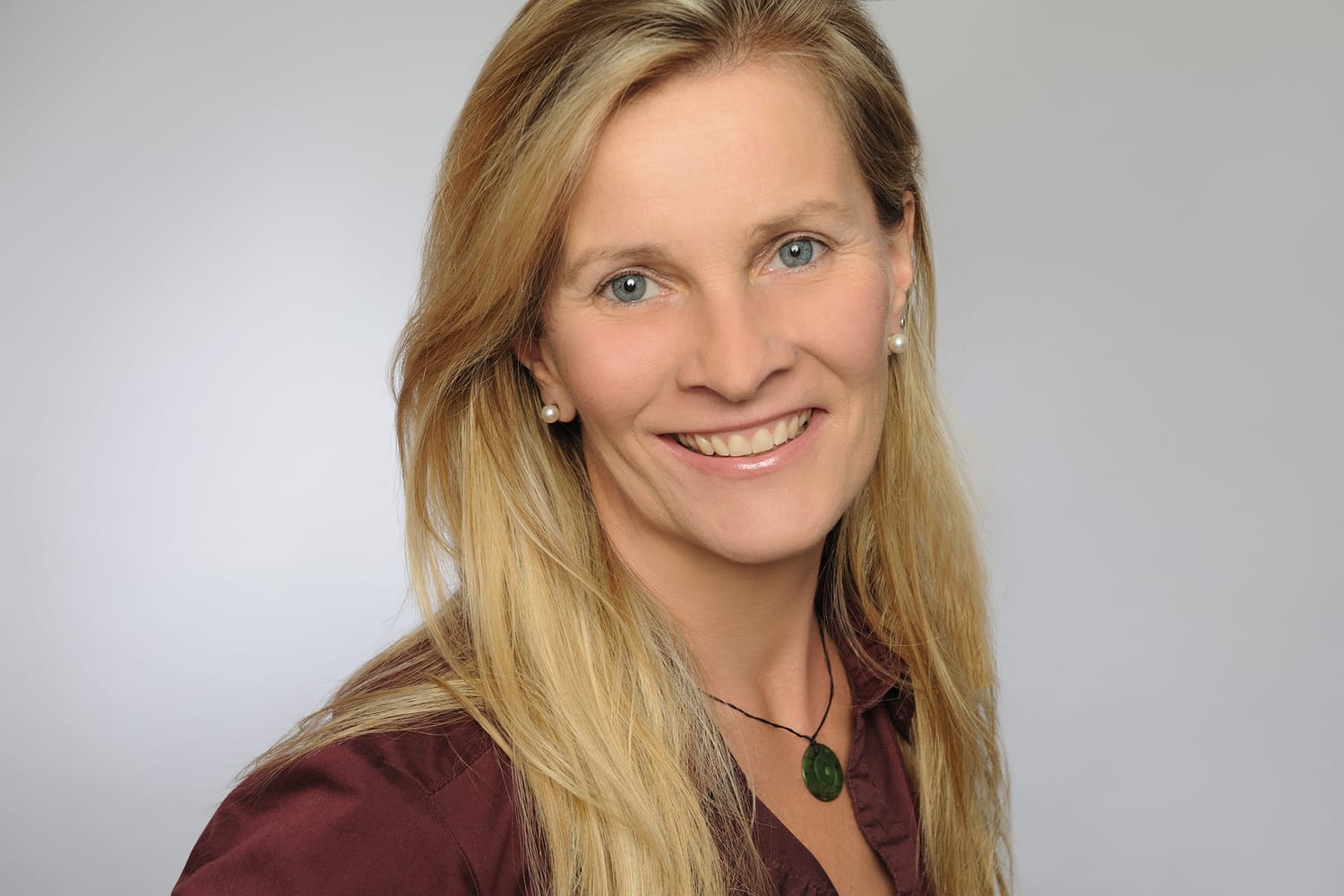
Our first guest webinar, held in conjunction with Liza Kimble. Dr Timmann explored how pain, fear, anxiety and chronic stress are expressed through the nervous system and supported, limited or amplified by the fascial network – and why purely mechanical or symptom-focused approaches often fail to create lasting change.
Dr Timmann trained in veterinary neurology with the European College of Veterinary Neurology in Bern, and in chiropractic (IVCA) and acupuncture (Chi Institute). She runs a specialist practice for neurology, integrative pain medicine and rehabilitation near Hamburg, edits the journal Hands on – Manual and Physical Therapies in Veterinary Medicine, and is a member of the Fascia Research Society.
Prefer not to pay per webinar?
All Equine Fascia Somatics Community members receive free access to all live webinars, including this session.
Membership also includes:
Lifetime access to webinar replays
A growing educational library as we add monthly zoom sessions and quarterly webinars
Monthly live check-in Zoom calls for discussion, integration and questions
Access to Liza and community discussions via a community Whatsapp Group
Course Discounts with Liza Kimble
Access to future guest talks and community-only sessions
A space to deepen understanding of fascia, the nervous system and regulation over time, not just in isolated events
If you are planning to attend more than one webinar, or want ongoing access to the material, community membership is the most supportive and cost-effective option.
Already a member?
If you are already a community member, no separate webinar registration or payment is required.
Access details will be shared directly with members.